How to Write a Logo Design Brief for Your Kenyan Business
Prepare a useful logo design brief with your audience, business goals, applications and approval process, so your designer can create a usable identity.
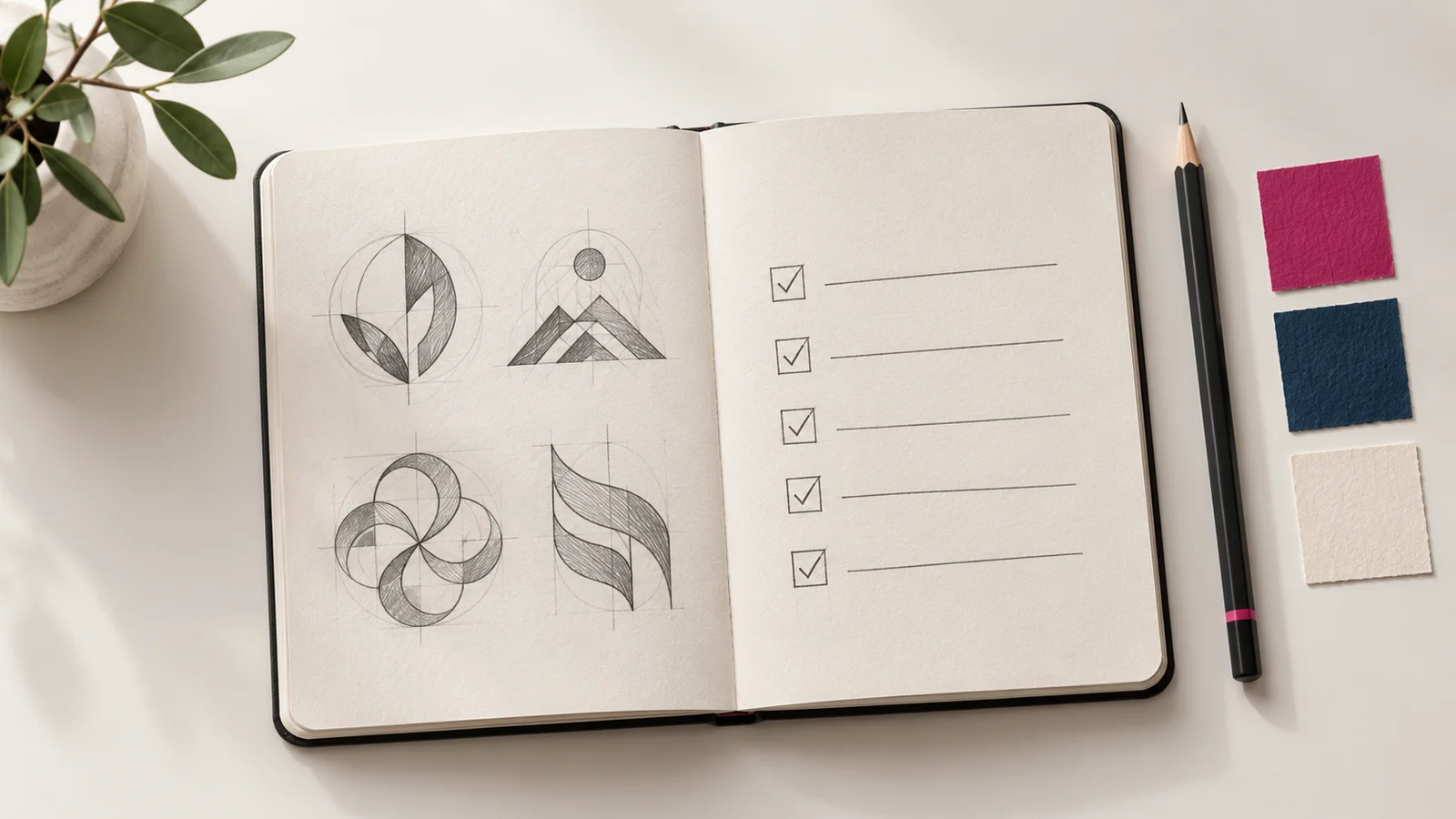
A useful logo brief explains what your business does, who it serves and where the identity must work. It gives the designer a problem to solve. You do not need to arrive with a finished symbol or a list of fonts; you need clear business information and a realistic picture of how customers will encounter your brand.
For a Kenyan business, those encounters may include a WhatsApp profile, a storefront, an invoice and a delivery package. A mark that looks impressive on a presentation slide can fail when squeezed into a small profile image. Writing the brief before reviewing concepts helps avoid that mismatch.
Start with the business decision
Explain why you need the logo now. Are you opening a new business, moving into a different market or replacing artwork that cannot be reproduced properly? These are different assignments. A new venture needs a recognisable starting point; an established business may need continuity with what customers already know.
Write a short statement such as: “We provide office cleaning for small companies in Nairobi. We need an identity that feels organised and dependable and remains readable on staff uniforms.” This is more useful than asking for something modern, unique and beautiful without explaining what those words mean.
Describe the customer and the buying situation
Name the person choosing your service, the concern they bring and the alternative they might consider. A parent choosing a school, a procurement officer comparing suppliers and a customer buying skincare have different expectations. Your brief should help the designer understand those expectations without assuming everyone in an age group behaves the same way.
Include the language used in your business name and tagline. Confirm spelling, punctuation and whether the tagline must appear with the logo. If the business name is still changing, resolve it before detailed design begins; changing lettering late can affect the whole composition.
List the places the logo must work
Prioritise actual applications rather than hypothetical ones. List your smallest digital placement and largest planned physical use. Add any production constraints you already know, such as one-colour printing, embroidery or a narrow shop fascia.
- WhatsApp and social profile images.
- Website headers and mobile screens.
- Business cards, proposals and invoices.
- Packaging labels or uniforms, where relevant.
- Signs and event displays, if already planned.
Ask the designer which versions those uses require. A horizontal wordmark and compact symbol can belong to the same identity, but adaptations should be agreed in the scope. Onek Designs’ logo design service is the relevant starting point for discussing those deliverables.
Give references with reasons
Choose a few examples and explain the quality you like: clear lettering, restrained colour, a confident silhouette or a friendly tone. Include an example you dislike and explain why. The purpose is to communicate taste and context, not to ask for another business’s artwork to be reproduced.
Separate preferences from constraints. “I prefer green” leaves room for discussion. “Our existing fleet is green and will remain unchanged” is an operational constraint. Your designer should know which decisions can move and which will affect real replacement costs.
Agree how concepts will be judged
Before the first presentation, choose criteria: readability, fit with the audience, distinctiveness within your sector and usefulness across the agreed applications. Review concepts against those criteria instead of collecting unrelated opinions from everyone who sees the design.
Choose one decision-maker and consolidate feedback. Useful feedback identifies a problem, such as thin lettering becoming unclear at small size. It does not need to prescribe the exact fix. Confirm concept count, revision rounds, final formats and ownership terms in the written quote.
Questions business owners ask
Can I brief a designer before I have brand colours?
Yes. Share any existing materials and explain your preferences. Colour selection can form part of the assignment. Avoid treating an untested preference as a complete identity system.
Should the logo show every service I offer?
Usually the brief should prioritise the business identity rather than force every service into one symbol. Your website and supporting copy can explain the wider offer. Test whether someone can recognise the mark without studying its details.
What should I send first?
Send the exact name, a short business description, target customer, main applications, references and deadline. Add original files if you already have a logo. This gives the designer enough information to clarify the scope.
Turn the brief into a design project
Prepare those details in one document, then discuss your logo with Onek Designs. A clear brief makes it easier to compare packages, give useful feedback and receive an identity you can put to work.