Shop Signage Design That Helps Customers Find Your Business
Plan shop signage around visibility, approach direction and a readable business message, with practical advice on content, placement and production.
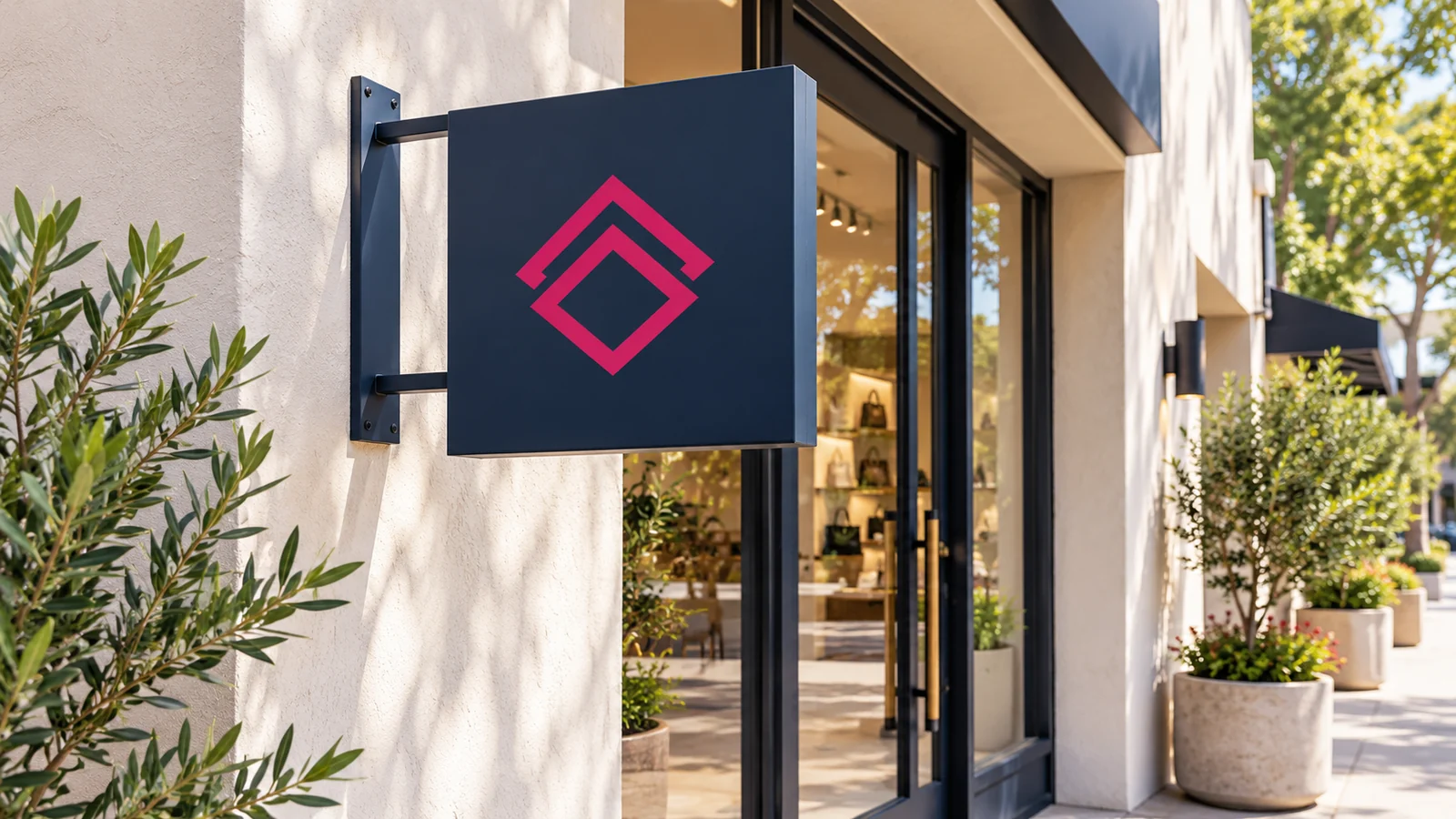
Good shop signage helps a customer identify the business before passing the entrance. It needs a readable name, a clear indication of the offer where necessary and a layout suited to the actual location. Begin by observing how people approach the shop rather than designing from a blank rectangle alone.
The same sign can perform differently on a quiet pedestrian lane and beside a busy road. Distance, surrounding clutter, lighting and obstructions all affect what can be understood. Site information is therefore part of the design brief, not a detail to be addressed after approval.
Photograph the location from customer viewpoints
Capture the frontage straight on and from the directions people normally approach. Include neighbouring signs, trees, poles and other obstructions. Take additional photographs at the times when the business most needs to be visible.
Provide measurements confirmed by the person responsible for production or installation. A photograph can show context but should not substitute for accurate dimensions. Note available mounting areas and any restrictions from the property owner or relevant authorities that need to be resolved.
Decide what must be read first
Prioritise the business name and a short service description if the name does not explain the offer. A crowded list of products can make the main identity harder to recognise. Put detailed prices or menus on a separate surface where customers can stop and read.
Ask whether the sign’s job is identification, direction or promotion. A directional sign needs an unmistakable instruction. A fascia sign identifies the premises. A temporary promotional panel may announce an offer. Combining all three can weaken each purpose.
Design for contrast and distance
Choose lettering with enough weight and spacing to remain clear from the intended viewing position. Check the contrast between text and background. Decorative effects that look attractive close up may reduce clarity at distance or in uneven lighting.
Review a scaled mockup in the site photograph, but understand its limits. A mockup is a design aid, not a structural or lighting assessment. The production and installation team should confirm materials, fixing methods and practical suitability for the location.
Connect the sign with the rest of the brand
Use the approved logo, colours and typography while adapting the layout to the physical space. A long horizontal frontage may need a different logo arrangement from a social profile image. Create an approved adaptation rather than stretching the original mark.
Check that the name and contact information match the website and business profiles. Customers moving between the sign, map listing and phone contact should be able to recognise the same business. Onek Designs’ shop signage service can help plan that visual continuity.
Keep changing information manageable
Think carefully before placing temporary offers or frequently changing prices on permanent signage. A separate replaceable panel may make more sense. Similarly, use a contact number the business expects to maintain rather than a personal number that may change with staffing.
Consider cleaning and maintenance when selecting the final production approach. Ask the supplier how the surface and lighting should be maintained and what replacement involves. The initial appearance is only one part of the sign’s useful life.
Review the complete job before approval
Confirm artwork, materials, fabrication, installation, transport and any site preparation separately. Identify who is responsible for permissions and site checks. Do not assume that approving a design means every practical requirement has been addressed.
Proofread the production artwork against an approved contact record. Request an installation plan and completion check appropriate to the job. Keep a copy of the final artwork so future repairs or additional branch signs can be prepared consistently.
Common signage questions
Should the sign include a phone number?
Include it if people are likely to use it from the viewing position. Keep the business identity and service readable first. A number that is too small to read adds little value.
Is a brighter sign always better?
No. Visibility depends on context, contrast, placement and appropriate lighting. Discuss the site conditions with the production team rather than choosing maximum brightness as the only criterion.
Can a logo file be used directly for fabrication?
It depends on the file and production method. Supply original artwork and let the supplier confirm what is required. Additional preparation may be needed before manufacturing.
Start with the storefront context
Send site photographs, measurements and the main customer approach to Onek Designs. A sign designed around those conditions has a clearer purpose from the start.
Read next
How to Compare Business Signage Quotes Without Missing Costs