Brand Refresh or Full Rebrand: How to Choose the Right Scope
Choose between a visual refresh and a wider rebrand by examining customer recognition, business changes and the cost of updating real touchpoints.
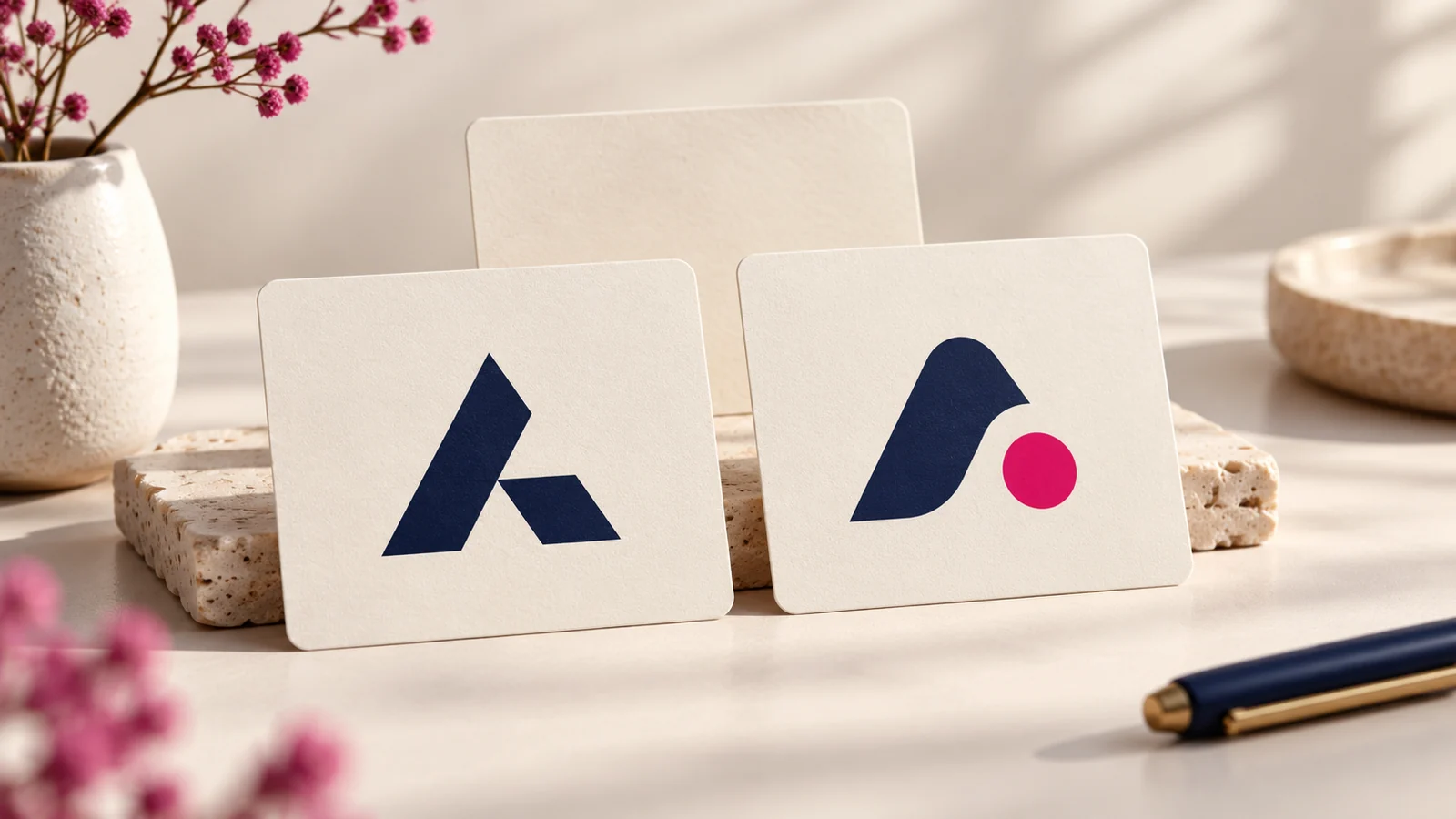
Choose a brand refresh when the business direction still fits but the identity needs clearer execution. Consider a wider rebrand when the audience, positioning, offer or business structure has materially changed. The distinction matters because changing the logo alone cannot resolve a strategic problem.
Start with evidence of the problem. Customers may misunderstand the service, the identity may be hard to reproduce or different branches may look unrelated. Each issue calls for a different scope. A preference for something new is worth discussing, but it should not be mistaken for a complete business case.
Identify what has changed
List changes in the business and separate them from changes in taste. Have you entered a new market, combined businesses, expanded the offer or moved toward a different customer? Explain what the current identity fails to communicate about that change.
Also record what still works. Customers may recognise a colour, symbol or name even if the typography needs improvement. Preserving useful recognition can be a deliberate design decision rather than a reluctance to change.
Diagnose visual problems separately
A logo that becomes unclear at small size may need technical refinement. Inconsistent stationery may need templates and guidelines. A dated website may need a better interface and content structure. These improvements do not necessarily require changing the entire brand identity.
Review actual materials and customer questions before deciding. If the main problem is that prospects do not understand your offer, examine messaging and service structure as well as appearance. A polished new symbol will not explain an unclear business model by itself.
Define the scope of each option
A refresh might refine typography, adjust colours, improve logo files and update key templates. A fuller rebrand may revisit audience understanding, positioning, name or messaging alongside the visual identity. The exact scope should be written rather than assumed from the project label.
Ask what research, concepts, revisions and rollout support are included. Clarify whether the project ends with approved artwork or includes applying it across the website, signage and documents. Those applications can represent a substantial part of the work.
Consider the cost of transition
Create an inventory of materials carrying the current identity. Include signs, uniforms, packaging, documents, websites, profiles and partner listings. Some can be updated quickly; others have production costs or operational dependencies.
Estimate which items must change immediately and which can transition in stages. Consider remaining stock and customer confusion, not just the creative fee. A staged rollout can be practical when it is clearly planned and does not leave conflicting identities in important places.
Test directions against the business objective
Evaluate proposed directions for clarity, recognition and usefulness across real applications. Show them in the contexts that matter rather than judging only a large logo on a blank background. Ask whether the change addresses the problem defined at the start.
Use customer or stakeholder feedback carefully. Ask specific questions about interpretation and recognition instead of taking a popularity vote on colours. The final decision should connect design judgment with the business purpose and practical constraints.
Plan the explanation to customers
If the change is visible, prepare a clear explanation of what is changing and what customers can expect. Keep contact details and service continuity easy to understand. Do not imply that new branding automatically means new ownership, capabilities or guarantees.
Brief Onek Designs’ rebranding service with the business reason, recognisable elements to retain and the touchpoints affected. That allows the project to be scoped around the transition rather than a logo replacement alone.
Common rebranding questions
Can we refresh the logo without changing the name?
Yes. Many projects focus on improving visual execution while retaining the established name. Decide which elements carry recognition and test the updated identity in real use.
Does a full rebrand need every asset replaced immediately?
Not always. Prioritise critical customer touchpoints and operational requirements. A phased plan should specify where the old identity can remain temporarily and how the transition will be explained.
How will we know the project succeeded?
Define observable goals before starting, such as clearer understanding of the offer, consistent materials or a manageable asset system. Avoid attributing every later sales change to the identity alone.
Start with the reason for change
Share the current materials and the problem you need to solve with Onek Designs. Choose the smallest scope that fully addresses that problem and supports the next stage of the business.
Read next
Rebranding Rollout Checklist for a Smooth Business Transition