What Should a Brand Kit Include for a Kenyan Business?
Compare brand kit packages by logo versions, colours, typography, templates and handover requirements, with a checklist for everyday business use.
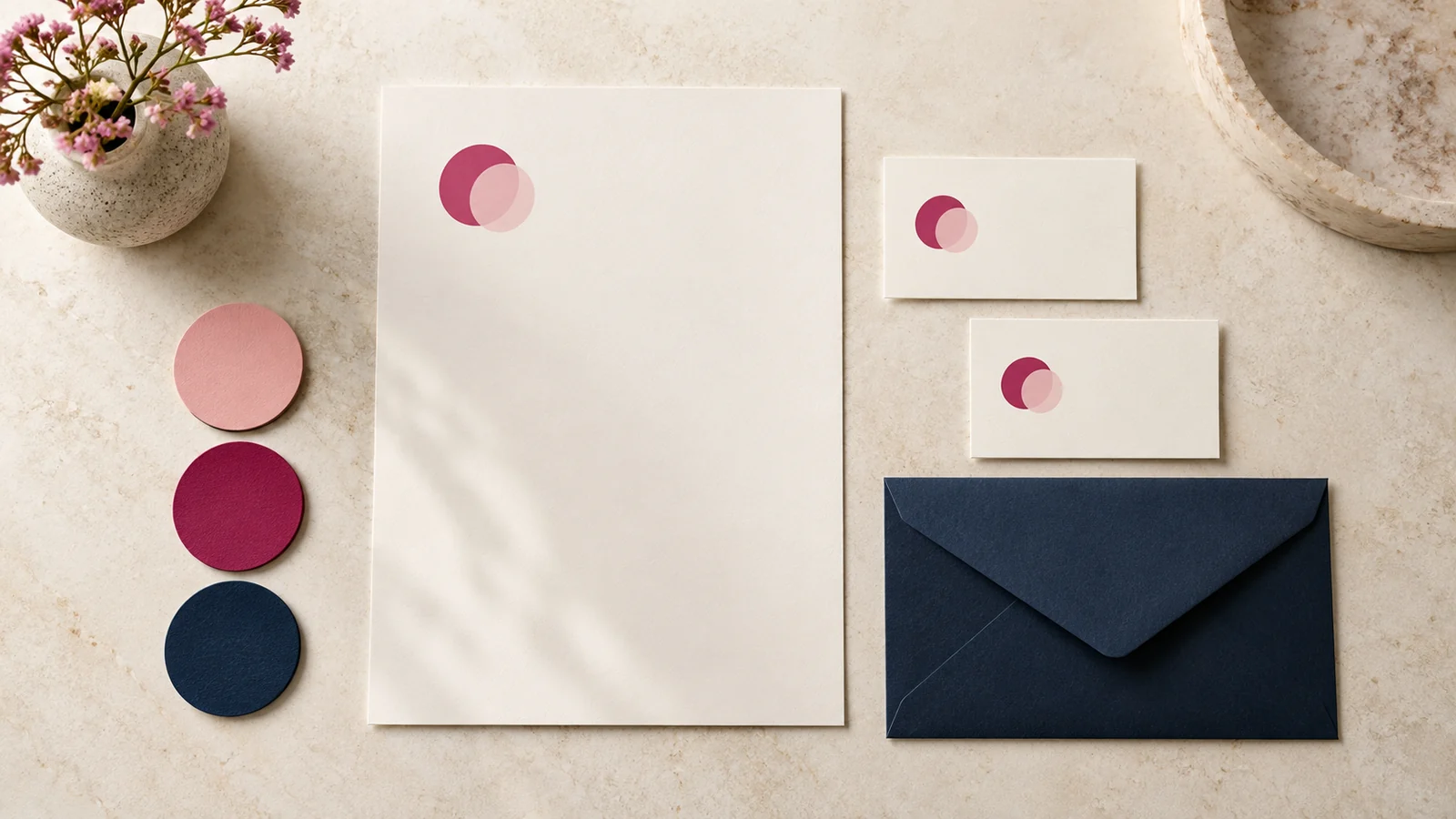
A brand kit should give your business the assets needed to look consistent in everyday work. At minimum, that means an agreed logo set, colour palette, typography choices and guidance on using them. The right package may also include stationery and social templates, but those extras should match your actual communication needs.
Before comparing packages, list what you repeatedly create. A consultancy sending proposals needs different templates from a restaurant promoting meals. The strongest kit removes recurring design decisions and gives your team a dependable starting point for the materials customers see most often.
Separate identity decisions from applications
The identity defines the visual system: logo, colour, type, image direction and layout principles. Applications put that system to work in business cards, letterheads, social posts and other materials. A package with many applications can still be weak if the underlying identity is inconsistent.
Ask which part of the work is included. Is the logo being designed from scratch, refined or simply applied? Are colours and fonts being selected or documented from an existing system? These distinctions explain why two packages with similar names may involve different amounts of work.
Build the essential asset list
Start with the logo versions required by your channels. Include readable versions for small digital placements and contrasting backgrounds. Record colour values and the fonts used, including any licensing or access requirements that your team must manage.
Then choose a small set of high-use templates. For a service business, that might be a proposal cover, letterhead, business card and social announcement. For a retailer, it may be a product offer, price card and packaging label. Define editable formats before work starts; a beautiful flattened image is not the same as a reusable template.
Make the templates work with real information
Test a template using your longest staff name, a realistic product description and a normal photograph. Empty layouts can hide problems. A social design with a two-word headline may collapse when a team member inserts a full promotional sentence.
Agree limits: headline length, number of images, acceptable background choices and where the call to action belongs. Include one filled example alongside each blank template. This shows staff how to use the design without turning the kit into an elaborate training manual.
For a coordinated starting point, compare the deliverables in Onek Designs’ brand kit packages. Confirm that the selected package covers the materials your team will use immediately.
Check the handover and permissions
Ask where editable files will live and who will own the accounts used to access them. Confirm whether fonts, photographs or other licensed assets require separate purchases. Record any usage restrictions before placing the design on products, uniforms or paid campaigns.
The handover should identify the approved master files and explain how to request future changes. Someone joining your business should be able to find the correct logo without searching through old conversations. Keep one controlled folder and retire outdated versions from everyday use.
Compare quotes by scope rather than item count
Ten almost identical social layouts may be less useful than three templates designed around different communication tasks. Ask how many original directions are included, what counts as a revision and whether resizing is part of the fee.
Separate design from printing, photography, copywriting and production. If a package includes a business card design, confirm whether that means one person’s card or an editable staff template. Small scope questions are easier to resolve before approval than after the design is complete.
Questions before choosing a package
Can a brand kit use my existing logo?
Yes, provided the files are usable and the identity still suits the business. Share the original artwork so the designer can assess quality and identify missing versions.
Is a brand kit the same as a rebrand?
No. A kit assembles and applies identity assets. A rebrand may reconsider positioning, messaging and recognition as well. If the business direction has changed, address that before expanding templates.
Do I need a long brand manual?
Not every business does. A concise guide with practical examples may be enough for a small team. More channels, branches and suppliers can justify more detailed rules.
Choose the kit around your next month of work
Write down the materials you will create most often, then request the appropriate brand kit. A useful package should make those tasks simpler and keep the business recognisable as it grows.
Read next
Startup Branding Priorities When You Cannot Design Everything at Once