Brand Guidelines a Small Business Team Can Actually Use
Create practical brand guidelines covering logos, colours, typography and real applications, with clear instructions for staff, designers and printers.
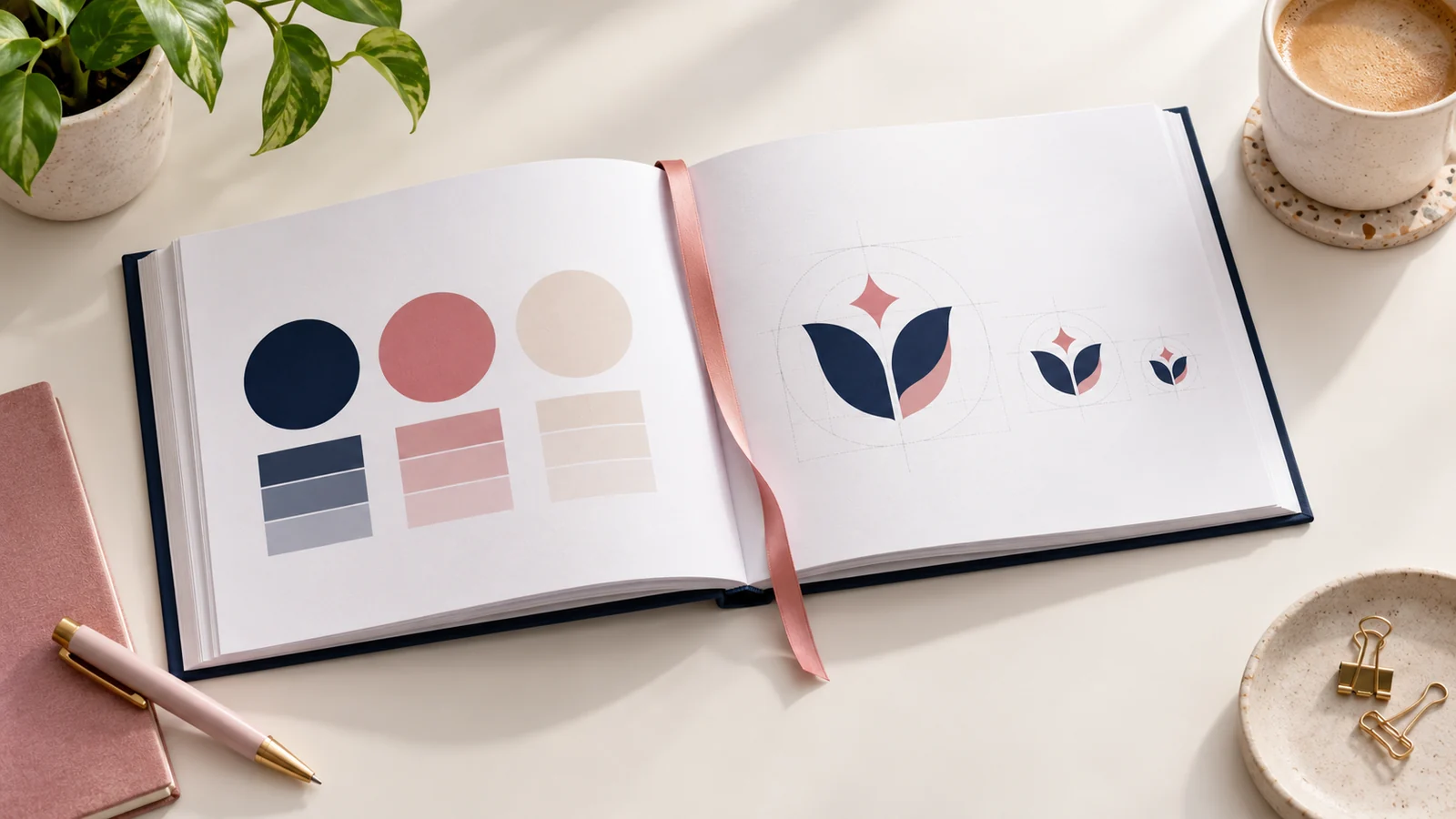
Brand guidelines are useful when they help someone make the next design decision correctly. A small business usually needs clear instructions for logo use, colours, typography, imagery and common layouts. The document should connect those rules to the materials the team creates, rather than simply display a polished identity presentation.
Start with recurring mistakes. If staff keep using the wrong logo, stretching images or choosing unrelated fonts, the guide should directly address those problems. A concise rule with an example is often more useful than several pages of abstract brand language.
Document the logo system
Show the primary logo and approved alternatives, with guidance on when to use each. Include suitable backgrounds, spacing and examples of unacceptable alterations. Identify the files corresponding to the examples so staff can find the correct asset immediately.
Explain practical constraints. If a detailed mark becomes unclear at small sizes, specify the approved compact version or describe how to assess legibility. Avoid inventing rigid numerical rules without testing them on the actual artwork and intended applications.
Make colour and typography easy to apply
Record the colour values used for relevant digital and print workflows. Explain which colours lead, which support and which are reserved for emphasis. A palette without usage guidance can still produce inconsistent designs when every colour receives equal weight.
Name the typefaces and identify where the business can access them. Clarify licensing responsibilities and useful fallback choices for everyday documents. Show a heading, subheading and body example using realistic content rather than isolated alphabet samples alone.
Define image and layout choices
Describe the kinds of images that fit the business and show examples. A premium service brand may need credible, well-lit work photographs, while a product brand may need consistent backgrounds and angles. The guidance should help staff select imagery, not merely state that images must be high quality.
Provide examples of spacing, alignment and information hierarchy. Explain how to treat a long headline or a crowded offer. These decisions affect consistency more than a decorative page displaying colours without showing how they work together.
Include the applications people use most
Choose examples from everyday work: a proposal cover, social post, email signature, invoice or sign. Show both an approved example and the source template. Explain what staff can change and which elements should remain fixed.
If different teams use different software, confirm the handover format before commissioning the guide. A template is only useful when the intended user can open and edit it. Discuss these needs through Onek Designs’ visual identity guide service.
Give the guide an owner
Assign responsibility for updating the guide and maintaining the asset folder. Record a version date and keep superseded files out of routine circulation. When the business changes a phone number or approved logo, the templates and guide should change together.
Introduce the guide with a short practical walkthrough. Ask staff to create a common item using the rules. Their questions will reveal missing instructions more effectively than asking whether the document looks professional.
Scope the guide to the organisation
A small team with a few channels may need a compact guide. A multi-branch business or organisation using many external suppliers may need more detailed applications and approval rules. More pages are useful only when they resolve more real decisions.
Separate visual identity guidance from wider brand strategy. Positioning, audience research and tone of voice can complement the guide, but they should be deliberately scoped. Do not assume a visual manual automatically includes those strategic assignments.
Questions before commissioning a guide
Can we document an existing identity?
Yes. Begin with an audit of the available files and current materials. Resolve contradictions before writing them into a guide, otherwise the document simply preserves inconsistent decisions.
Should suppliers receive the whole guide?
Give them the relevant rules and assets for their task. A print supplier needs accurate production information; a social designer may need image and layout examples as well.
How often should guidelines be updated?
Update them when approved identity decisions, channels or practical requirements change. Routine review can catch missing examples, but avoid changing rules simply to make the document appear new.
Make consistency easier to maintain
Share your current assets and common design problems with Onek Designs. Build a guide around those decisions and the people who will use it.